
I Gave My Four-Year-Old an Old Fujifilm Camera
Recently my youngest son found an old Kodak point and shoot camera from roughly 2005. This camera is from the era when most digital cameras took standard AA batteries, but didn’t use them efficiently and burns through a pair in approximately 36 minutes of use. For the health of my battery drawer, I had to retire this camera and come up with some other way to satisfy his budding creative urges.
Coincidentally, a friend of mine asked me for a senior portrait session for her daughter. After I came to grips with the fact I have a friend with a child that is a senior is high school, I started packing up my gear. It was then that I remembered that I still had my original Fujifilm X-T1 from my conversion away from Canon, and I still had plenty of (rechargeable!!!) batteries for it.
I thought to myself “Self, you should charge a battery, slap a lens on this, and give it to the boy while we’re out there shooting those senior portraits”
That’s exactly what I did. I set all exposure settings to auto, gave him a rundown on how to push the shutter button, and let him go.
Here is a curated collection of his early works:

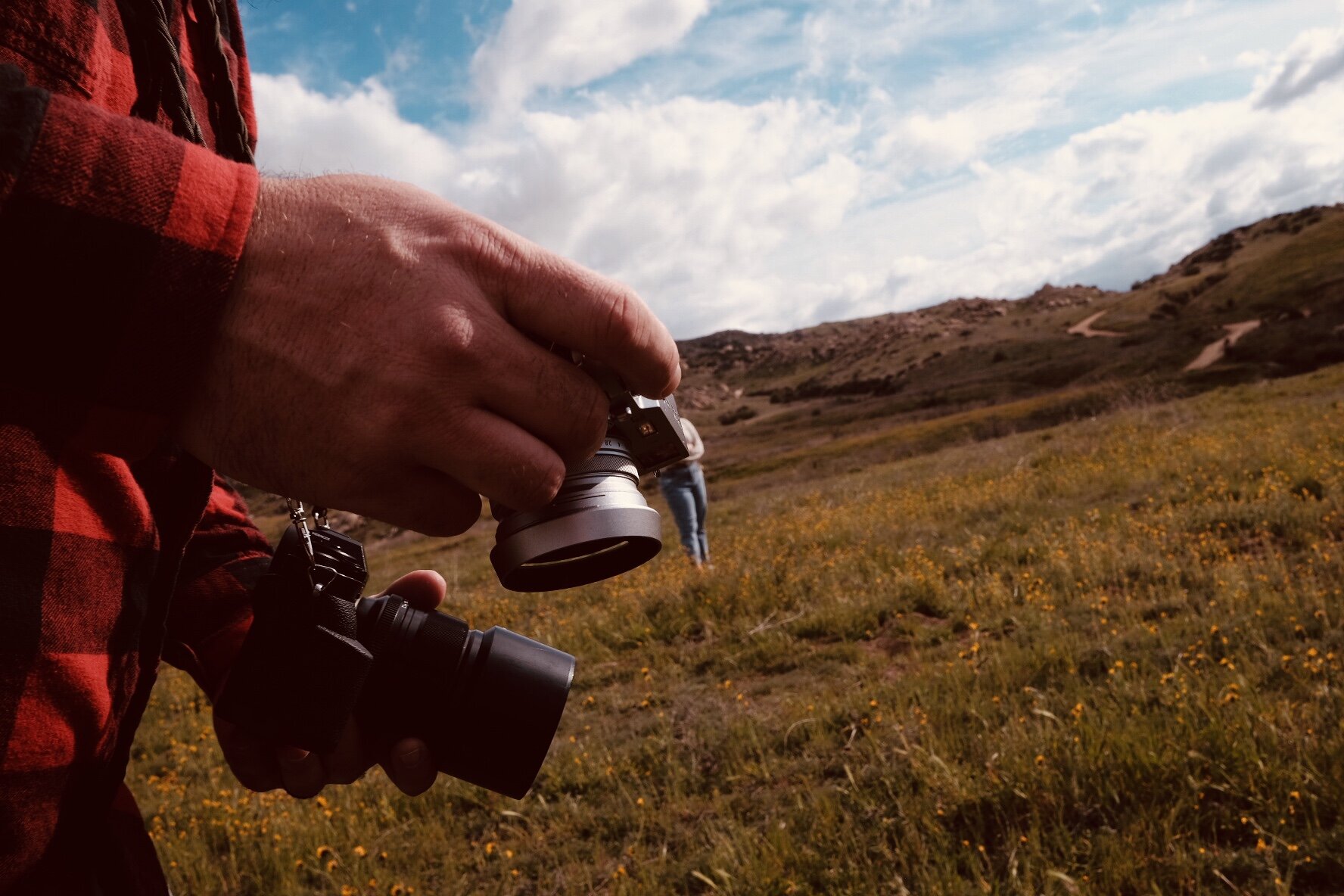




And a little peak on the other end of the camera


How High Quality Product Photography Can Strengthen Your Sunglass Brand

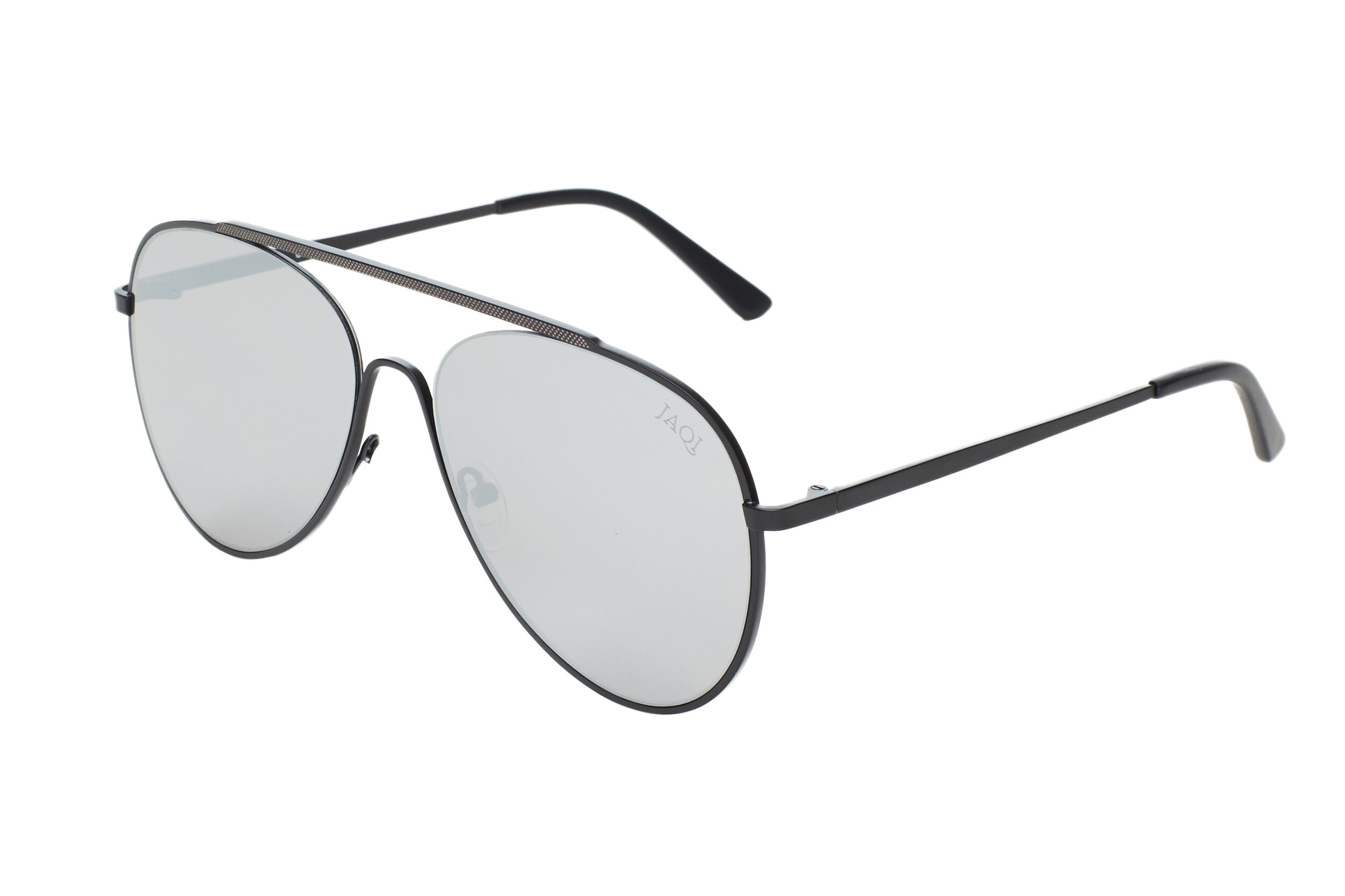
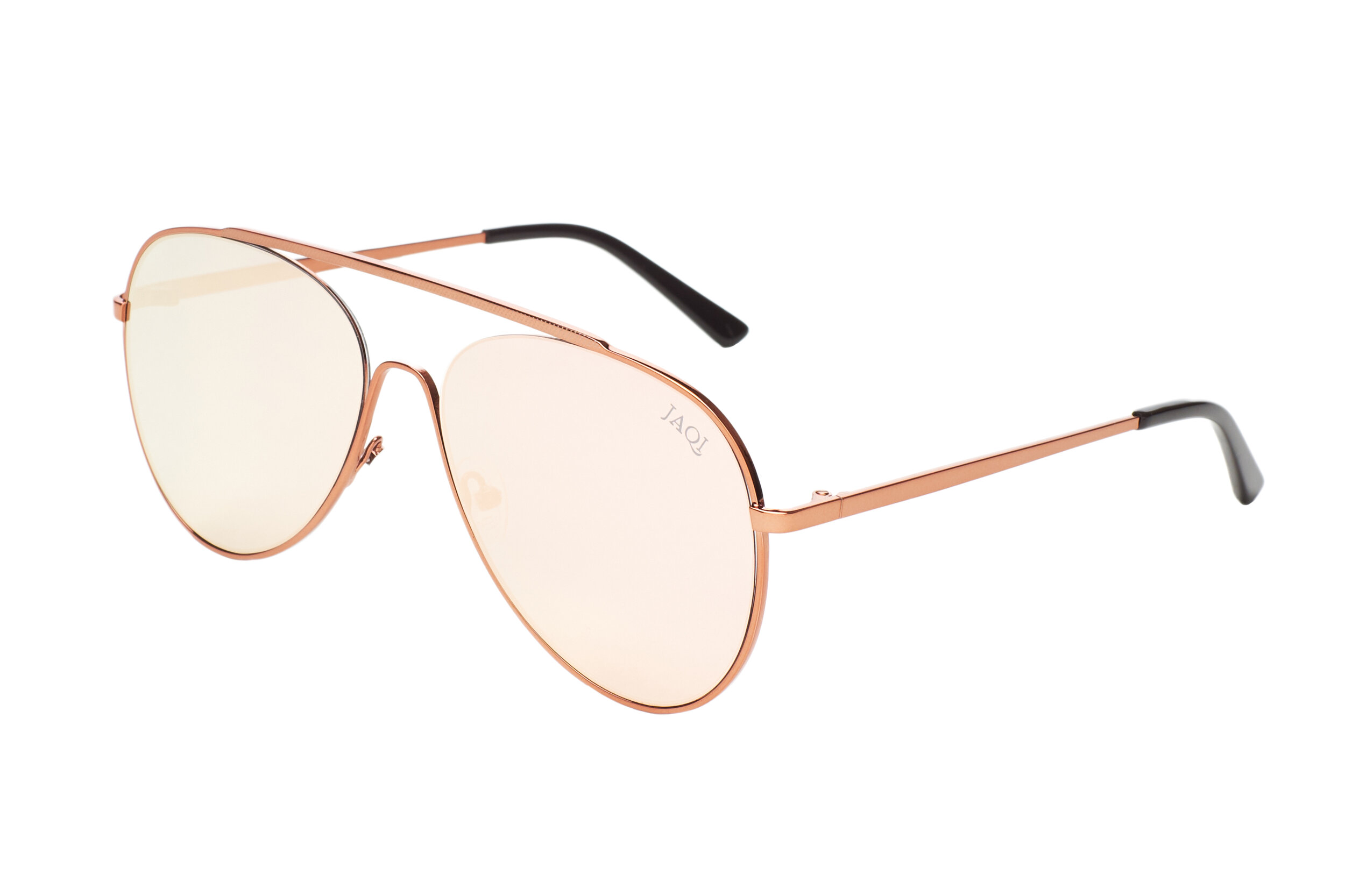
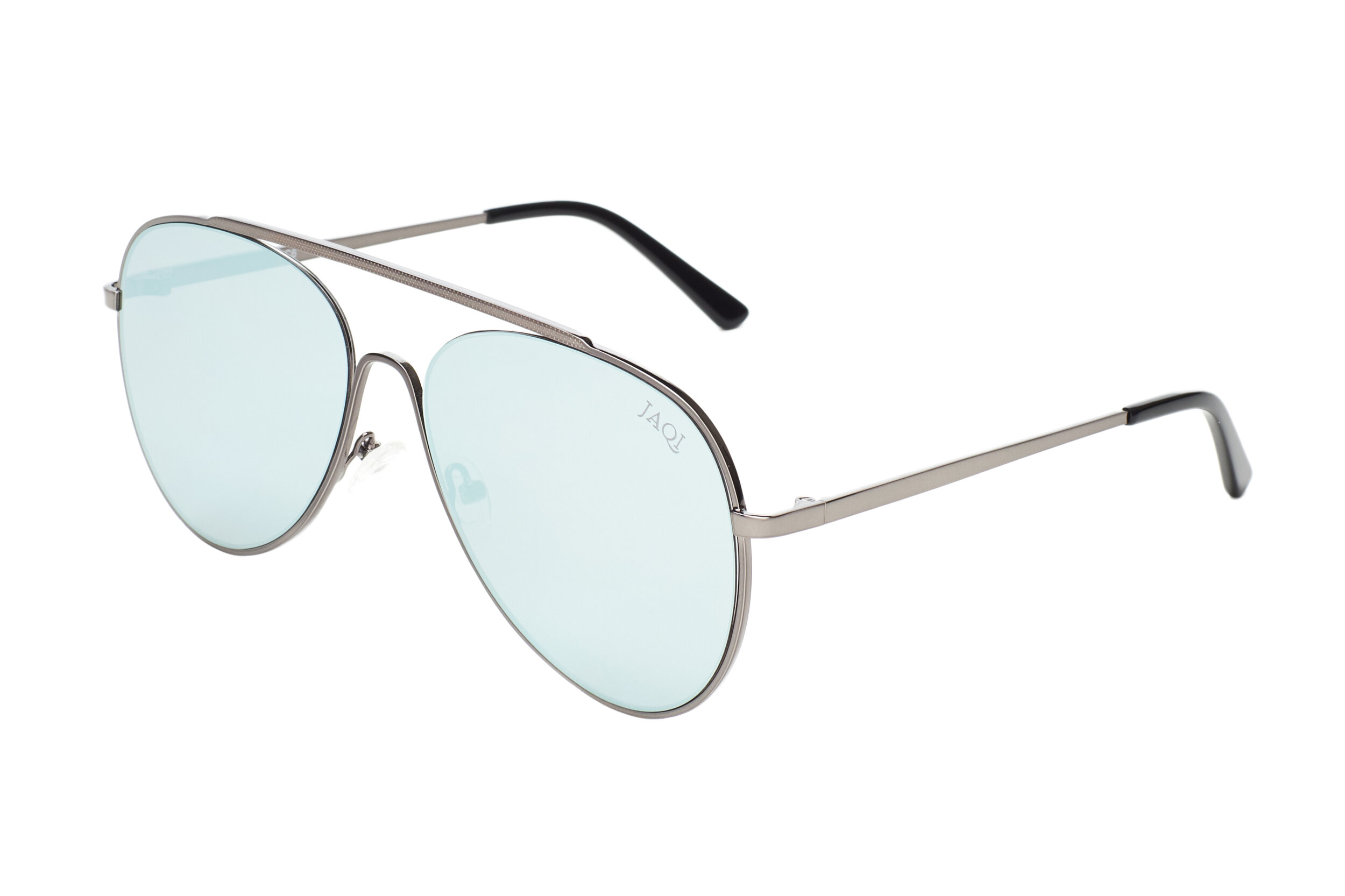
A hero shot showing off these sunglasses, perfect for use on social media to engage your potential customers
Brand Strength Brings in and Keeps Customers
Reading through this article from The Hartford Business Owners Playbook, you can begin to see the value that brand strength can have for your company. Building brand equity opens the door to customer loyalty and helps educate your customers on the value your brand has over other companies out there. One thing to note as you begin to build your own playbook is how much of this can be achieved by quality content.
Your Product Photography is Part of Your Brand
I have said it in other articles, and it’s worth saying again here. Product Photography is a part of your brand. It’s as much a part of your brand as your name, logo, advertising content, marketing content, and web design. In order to build brand equity, your customers need to experience consistency when it comes to your content, including product photos. Does it make sense to have compelling Instagram images that links back to low-quality product photography back on your website? By the time they click through to a product page, you have almost earned a customer, that’s the time to keep up the experience and show off your products in the best possible way. Continue reading below for some thoughts on why you may want to outsource product photography for your brand.
Sunglasses are Tricky to Photograph Well
They can deceptively complex to photograph. They might seem like they would be simple to shoot since they don’t require the styling finesse of soft goods and apparel or have the complex metal surfaces that need to be managed in jewelry photography. The challenge with sunglasses mostly lies in the lenses. Lenses are generally quite reflective, even when they may not look like it in person. Simple dark tinted lenses can reflect a lot back to the camera, and that issue is multiplied when you start working with mirrored lenses. On top of that, you also have to deal with being able to see things behind the lens. It’s sort of the worst-case scenario of having a reflective AND translucent surface, it leaves few options for managing reflections.
Most Sunglasses Will Require Post Processing
Post-processing, or retouching, is necessary for sunglass photography most of the time. The main thing to look out for is lens color. Does the color of the lenses in the image match how they look in person? It is very common to lose some of the saturation or color nuance when photographing sunglasses, and post-processing can bring those details back. You want your customers to have as accurate of color as possible when shopping on your site. Additional, as with many small accessories, dust will be an issue. You can use an air compressor or canned air, but dust still finds it’s way onto set, and those tiny dust particles often catch the light and become very distracting. Whether you are shooting the sunglasses yourself, or hiring a photographer, I do not recommend trying to save money on retouching, it’s part of investing in the best possible product photos.
Investing In Showing Off Your Product
Speaking of investing in product photos: As I’ve written in other articles, consider approaching product photography with an investment mindset. If you are solely an eCommerce website, your product photos are all you have and you can fairly easily track the ROI of product photography because it has such a direct impact on sales. Clients sometimes come to me almost begrudging that they need product photos, or express that they have no or little budget to get them done. I will pose this question: What good is all the investment in production, website development, or marketing if your customers can’t see your product?
Do you need more help with your product photography or strategy?
I’m always adding articles that I hope will help you understand how to think about and implement product photography for your eCommerce business. You can read them here:
If you are interested in my services as a product photographer or consultant, contact me here:

Your Jewelry Brand Needs Top Quality Product Photography
Selling Jewelry Online is all About Branding
Building a jewelry company that primarily sells online can be a challenge. It’s a competitive space to begin with and customers are generally looking for the best value for their money. A lot of times converting a new visitor boils down to earning your customers trust in the small amount of time you have them on your site. This is where a strong, cohesive brand can become your best tool to convert customers on your site, and you need to be thinking about product photography as an extension of your brand.
Your Product Photography is Part of Your Brand
You have a product that you’re proud of, a company name and logo that you love, a website that you invested in, and a marketing campaign that is bringing in traffic. What are your potential customers seeing once they are shopping on your site? Your customers have noticed everything you’ve invested so far, we know this because they made it to a product detail page (or PDP). Once there, are they seeing images that look like the left or the right? These specific images may not be on brand for you, but do highlight the differences in quality.
Laid down and shot quickly with an iPhone and basic lighting set up. Piece looks dark, stones have no detail, color is incorrect, and image is low resolution.

Styled and shot with a camera and lens that is well suited for jewelry, custom lit, focus stacked, and lightly retouched to clean up dust.
Jewelry is Hard to Photograph Well
A jewelry piece is often constructed of metal and precious or semi-precious stones, and those two components photograph very differently. Often times, to show off both metal and stone in a way that is true to life, you may need to composite multiple images together. In order to shoot the metal in a way that controls reflections, the stone can look washed out, losing detail, however when you achieve good color and detail in the stone, the metal often has distracting reflections and highlights that are lost. An experienced jewelry photographer not only knows how best to approach these two parts of shooting a piece of jewelry, they know how to build a set and process that will allow them do that consistently across multiple pieces and types of jewelry.
Post Production for Jewelry is Specialized
Retouching is a standard part of the process in quality product photography for jewelry. One significant reason for this is that metal colors often appear different in person than when they are photographed. There are a lot of things that can impact this, but in order for all of your gold, silver and rose gold pieces to match each other, you need to be adjusting color as part of the post production process. Another thing to consider is everything that shows up when you zoom in very close to the product for photography. No matter how hard you try, there will be dust and tiny hairs that you can barely see with the naked eye. Cleaning up dust off the metal and shooting surface should be a standard part of your jewelry retouching package.
Invest in Showing Off Your Hard Work
You’ve worked hard to design and develop your jewelry line and now we need to get potential customers to see what makes your collection stand apart. Hiring the right person to photograph your jewelry and highlight all that qualities that make it unique can make all the difference in not only your conversion rates, but in how your brand is perceived. If you are interested in discussing your collection with me, and potentially sending me a few pieces to do a test shoot, please click here to reach out.
Do you need more help with your product photography or strategy?
I am always adding articles that I hope will help you understand how to think about and implement product photography for your eCommerce business. You can read them here:
If you are interested in my services as a product photographer or consultant, contact me here:
The Riverside Citrus Industry
Growing up in Riverside, CA and spending some days off of school in the front office of a citrus packing house, I have a special relationship with the citrus industry, from a teenager hanging out at the Orange Blossom Festival to growing into a commercial photographer who often finds himself using citrus as a source of inspiration.

An almost forgotten still life test from a few years ago, citrus fruits often become a still life subject for me growing up in Riverside, CA, a city that launched the Southern California citrus industry.
Growing up in Riverside, CA, there was no missing the impact of the citrus industry on the culture of the city itself. If the annual Orange Blossom Festival wasn’t enough, you couldn’t miss the small orange groves that dotted most residential neighborhoods (before the real estate boom/bubble of the early 2000’s dug out the orange trees to make room for more houses).
I came across this image when attempting to catalog the approximately 32,478 images from one of several hard drives where I digitally hoard my work. After scrolling through years and years worth of product photography, commercial still life tests, family snapshots and mobile camera back-ups, I ran across this little studio test that I think I may have entirely designed around that weird hanging candle thing in the background.
I don’t love this image, but it does bring to mind memories of my childhood that was shaped in part by what was left of the citrus industry in Riverside. When I was a child, my mom worked in the front office of a citrus packing house, where I would occasionally get to peak through the door where oranges would rush around on conveyer belts and cascade into crates that would load onto trucks and head off to their final destination.
For the city of Riverside it is a history that is celebrated through art, events, and those of us that have memories of being directly impacted by the fruits of those two original naval orange treess Eliza Tibbetts planted in Riverside back in 1873.
For more on the history of the Riverside citrus industry, check these links:
History of the City of Riverside
Parent Naval Orange Tree in Riverside
A Cultural Tale of California’s Citrus Industry - YouTube
Hidden Histories Behind California’s Citrus Industry